Introduction
Every van has a date in the calendar it cannot avoid, and that is its annual MOT. The good news is that with a little preparation, most vans pass comfortably. Knowing what the tester looks at and giving your van a quick once-over beforehand puts you firmly in control.
A van MOT is really just a yearly health check that confirms your vehicle is safe and roadworthy. As Doncaster van hire and sales specialists, we put a large fleet through this test every year, so we know what makes it straightforward. This guide walks you through what is involved, the simple checks you can do yourself, and how to keep your van test-ready all year.
At a Glance
Imagine a local courier whose van is due for its MOT next week. Instead of leaving it to chance, they spend ten minutes checking lights, tyres and washer fluid, book the test alongside a service, and drive away with a fresh certificate. This guide shows you how to do the same, from the checks you can run at home to the requirements worth knowing before you book.
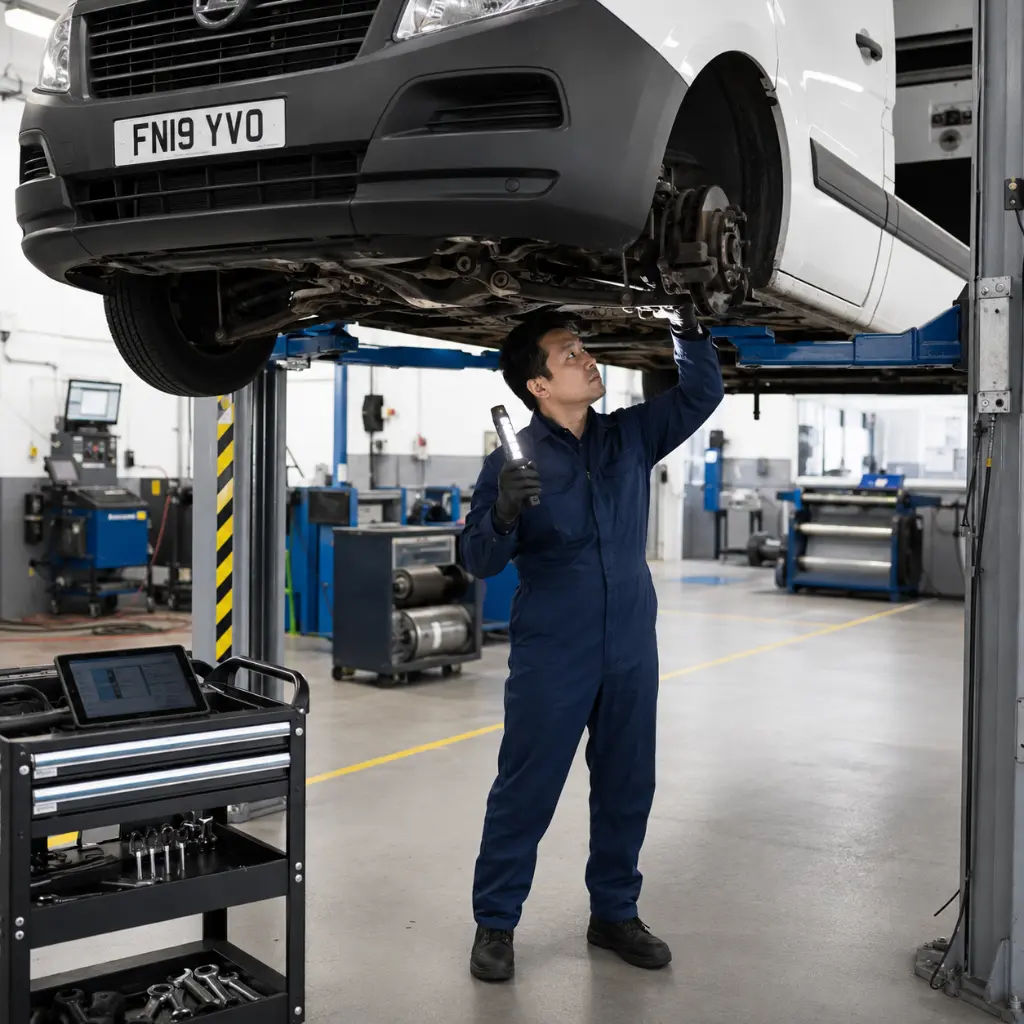
What a van MOT test covers
A van MOT test is a set of safety and environmental checks carried out at an approved test centre. The tester inspects the key systems that keep you and other road users safe, then issues a pass and an MOT certificate.
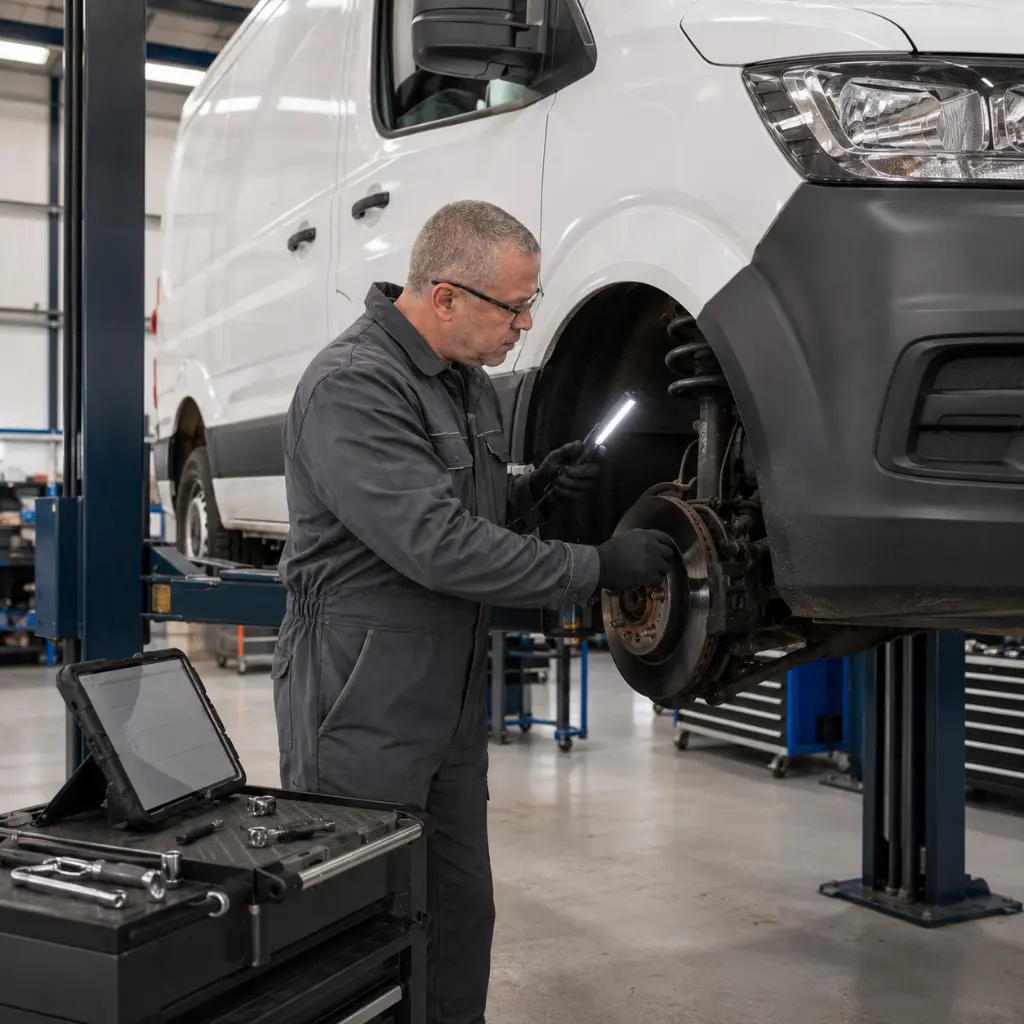
For most vans, the checks cover lights, tyres, brakes, steering, suspension, seatbelts, the windscreen and washers, the exhaust and emissions, and the general condition of the body and structure. The tester also confirms details such as the number plate and vehicle identification number.
Which MOT class your van needs
Vans fall into one of two test classes based on weight. Vehicles up to 3,000 kg, including most cars and light vans, fall under Class 4, whereas goods vehicles weighing between 3,000 kg and 3,500 kg require a Class 7 MOT.
Your logbook shows your van’s weight, so it is easy to see which class applies. Booking the correct class from the start keeps everything smooth on the day.
Your pre-MOT checklist: quick wins before the day
You do not need tools or expertise to give your van a head start. A short pre-MOT checklist covers the simple things that are easy to sort at home.
Lights and visibility
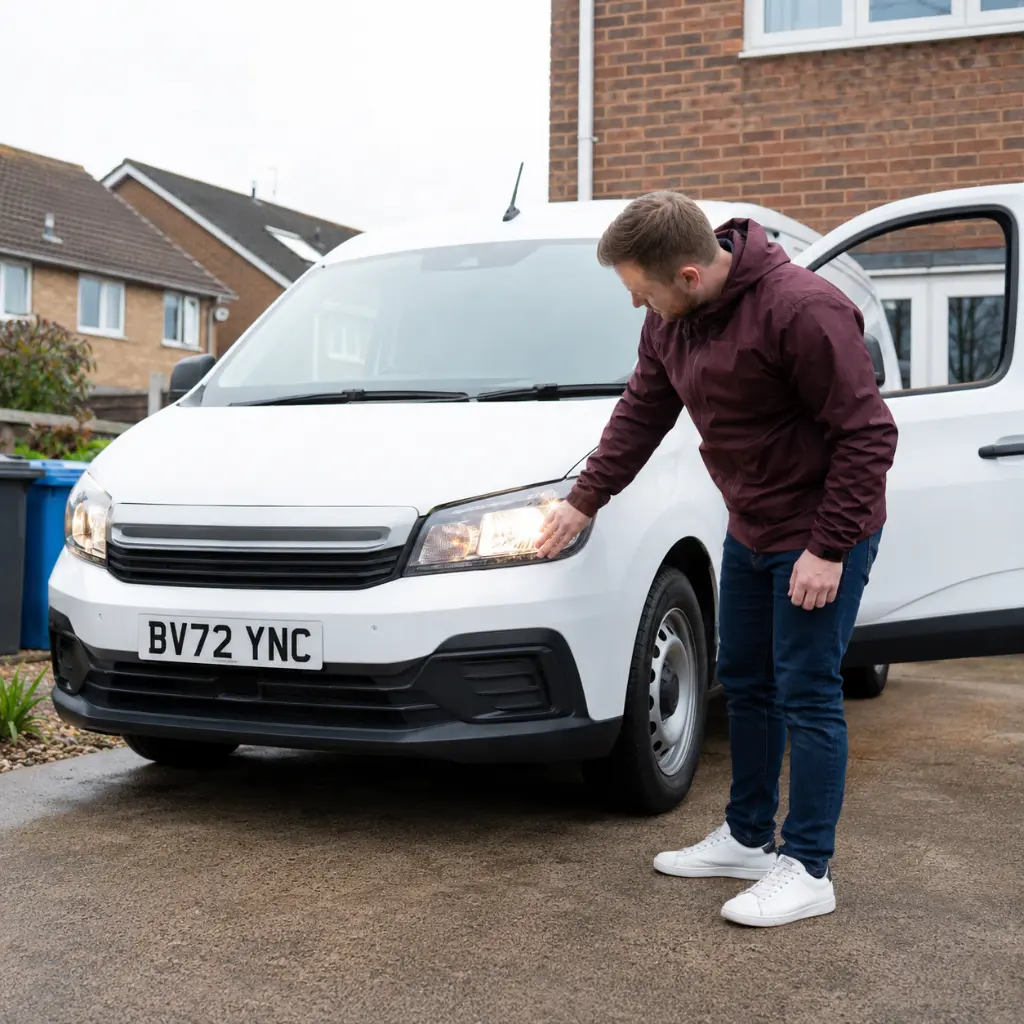
Lights are a common advisory, and they are simple to get right beforehand. Work around the van confirming each one fires: headlights, sidelights, brake lights, indicators, fog lights and the number plate light.
The tester also checks your view of the road, so make sure the windscreen is clear of chips in the driver’s line of sight and the wipers and washers work cleanly.
Tyres and wheels
Tyres are one of the parts a tester looks at closely, so they reward a proper check. Look over each tyre for cuts, bulges, uneven wear or anything lodged in the rubber.
The test covers the tyres fitted to the van rather than the spare, so focus on those. Make sure both tyres on each axle match in size and type, and set the pressures to your handbook figures. Getting the condition right ahead of time is one of the simplest ways to stay on the right side of an advisory.
Inside the cab
Sit in the driver’s seat and run through the basics. Check the horn, the seatbelts, the mirrors and the warning lights on the dashboard when you turn the ignition.
If a warning light stays on, it is worth looking into ahead of time rather than on the day. A quick clean of the number plate so it is clear and readable helps too.
MOT preparation tips for diesel and heavier vans
Some vans reward a little extra groundwork, especially diesels and those that spend most of their time on short local runs. A few targeted steps beforehand make the biggest difference here.
Emissions and the DPF
Diesel vans are checked for emissions, and a healthy exhaust system helps here. If your van mostly does short, stop-start journeys, a longer drive at sustained road speeds may help the diesel particulate filter (DPF) regenerate if driving conditions allow.
Keeping AdBlue topped up where your van uses it and sorting any warning lights early keeps the emissions side straightforward.
Brakes, steering and suspension
Pay attention to how your van feels to drive in the days before the test. Brakes that respond evenly, steering that feels precise, and a ride free of knocks all point to systems in good order.
If anything feels different from usual, it is worth having it checked in good time at a trusted garage. Booking the MOT alongside a service is a smart way to look after any small jobs together.
MOT requirements and when your van is due
Staying legal is far easier once you know the timings. A new van needs its first MOT three years after its registration date, then a test every year after that.
You can book the test up to a month before it is due and keep your existing expiry date, which gives you a helpful window to plan around. Once your van passes, you receive an MOT certificate confirming it is roadworthy for the year ahead.
Checking a van’s MOT history
Every van has an online MOT history you can look up using its registration. It shows past results and any advisory notes, which are simply friendly pointers about parts to keep an eye on in future.
This is especially useful when buying a used van, as a clear MOT history and service record give real peace of mind.

Staying ready for the annual MOT test all year
The easiest MOT is the one you have quietly prepared for all year. Regular upkeep between tests keeps your van in good condition, making the annual MOT test feel like a routine check rather than a cause for concern.
Regular van maintenance between MOTs helps identify small issues early, improving your chances of passing the test first time and reducing the risk of unexpected repair costs.
If your van is booked in and you still need to work, you can hire a replacement van while yours is tested from our large Doncaster fleet, fully insured and ready to go. Thinking of upgrading instead? You can browse our used vans for sale, each with a clear service history and after-sales support from our team.
Conclusion
A van MOT is nothing to dread once you know what to expect. A short checklist, a little preparation and steady upkeep through the year give your van every chance of passing smoothly.
Prepared vans pass more easily, hold their value better and keep you on the road with fewer interruptions. A few minutes now save time later.
If your van is due its test and you need to keep working, get in touch with our friendly Doncaster team and we will help you sort a replacement while yours is seen to.