Introduction
If you are buying a commercial vehicle, understanding what payload means on a van is every bit as important as checking its size, fuel economy or finance options. Payload determines how much weight a van can safely carry during normal use, making it one of the key figures to consider before buying. Whether you transport building materials, deliver parcels or carry tools between jobs, the right van payload helps keep your vehicle safe, practical and within UK weight limits. If you are comparing quality commercial vans, understanding payload before making a decision can help you avoid expensive mistakes later.
What Does Payload Mean on a Van?
Van Payload Explained: A Simple Guide
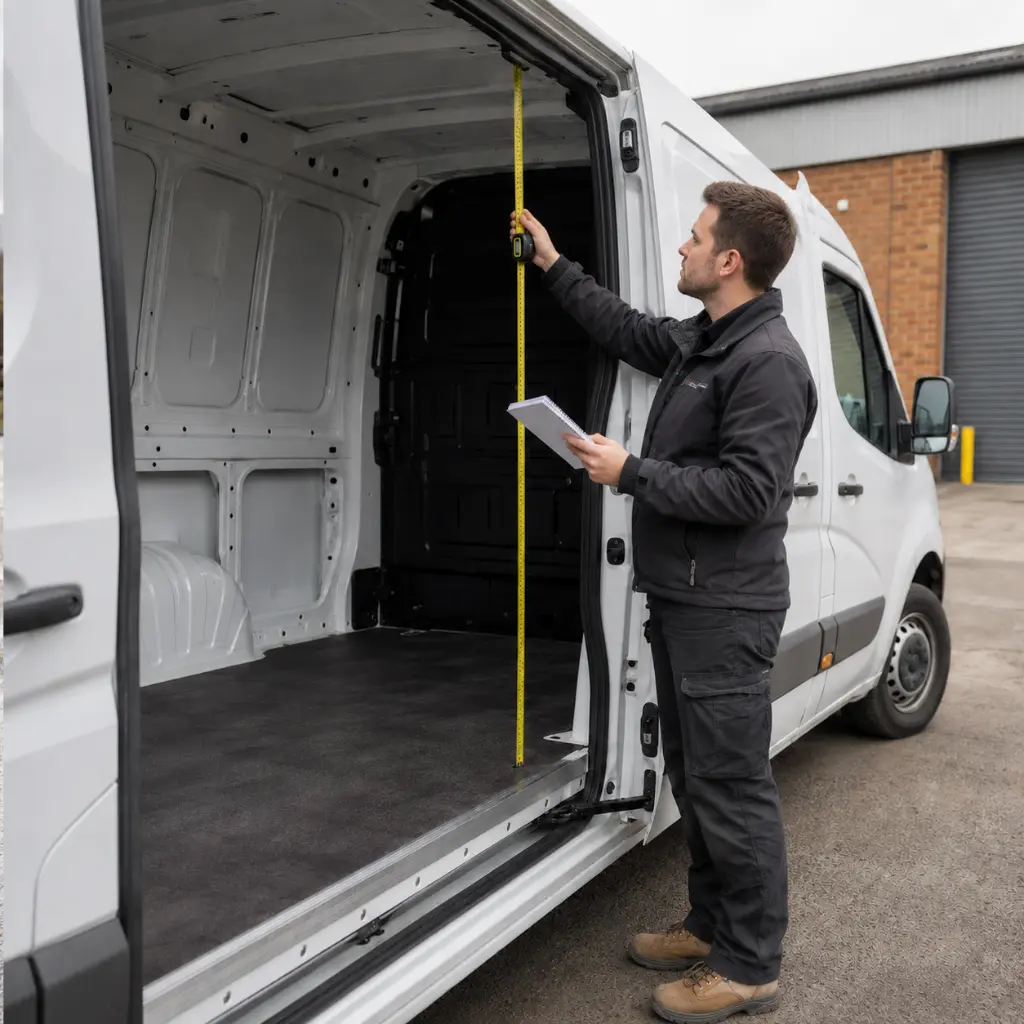
In simple terms, payload is the maximum amount of weight a van can safely carry once it is ready to drive. This includes much more than the goods placed in the load area. The total vehicle payload also includes the driver, passengers, tools, equipment, accessories and anything else carried inside the van. This van payload explained in simple terms helps buyers understand why payload is one of the most important figures to check before choosing a commercial vehicle.
Many people assume payload only refers to cargo, but every additional item inside the vehicle counts towards the total weight. The available carrying capacity reduces as soon as people, equipment or fitted accessories are added. Understanding this payload’s meaning, which van owners often overlook, makes it easier to load a vehicle safely, stay within legal weight limits and choose a van that is suitable for everyday work.
How Is Van Payload Capacity Calculated?
Understanding Kerb Weight and Maximum Authorised Mass (MAM)
Calculating the payload capacity of a van is straightforward once you understand two important vehicle weights. The kerb weight is the weight of the van with all standard equipment, engine fluids and a full tank of fuel, but without passengers, cargo or additional accessories. Maximum Authorised Mass, often called MAM, is the maximum legal weight the vehicle can weigh when fully loaded.
The calculation is:
Payload = Maximum Authorised Mass (MAM) − Kerb Weight
Optional extras can reduce the available payload. Items such as shelving systems, roof racks, tow bars and aftermarket accessories all add weight before any tools or materials are loaded. Checking these figures before purchasing a used van helps ensure it meets your everyday requirements.
| Term | Meaning |
| Kerb Weight | Empty vehicle ready to drive |
| MAM | Maximum legal operating weight |
| Payload | Weight available for cargo, passengers, tools and equipment |
Why Van Payload Matters for Everyday Business Use
The right payload makes everyday work easier without placing unnecessary strain on the vehicle. A van that regularly carries more weight than it was designed for may consume more fuel, wear components more quickly and become less comfortable to drive. Equally, buying far more carrying capacity than you genuinely need can increase ownership costs without adding much practical benefit.
Think about the jobs your van completes most often. Builders may carry heavier materials, while electricians and plumbers usually transport tools, spare parts and fitted storage. Couriers often need generous load space rather than maximum weight capacity. Taking a realistic view of your daily workload makes it much easier to choose a reliable used van that suits your business . If you would like a second opinion, Doncaster Van Centre can help you compare suitable options based on how your van will actually be used.

What Happens If You Exceed Your Van Payload Limit?
Safety Risks
Overloading a van affects far more than its carrying capacity. Extra weight can increase braking distance, reduce steering response and make the vehicle less stable, particularly when travelling on motorways or around bends. Braking performance may reduce, particularly during emergency stops.
Even if the vehicle appears capable of carrying more, exceeding the recommended payload may compromise safety for both the driver and other road users. Ensuring loads are appropriate for the vehicle helps maintain predictable braking performance and overall stability.
Legal and Financial Consequences
UK commercial vehicles may be subject to DVSA roadside checks, where inspectors can verify whether a van complies with legal weight limits. An overloaded vehicle may result in enforcement action, possible fines or penalty points depending on the circumstances. Insurance claims may also become more complicated if a vehicle is found to have been operating outside its permitted limits.
Understanding your van’s legal payload before every journey is a simple way to reduce unnecessary risk. It helps protect the vehicle, supports compliance with UK weight regulations and gives you greater confidence when carrying heavier loads for work.
Where Can You Find Your Van Payload Capacity?
Before loading a van for work, it is worth knowing exactly where its payload information is recorded. Manufacturers provide these details in several places, making it straightforward to check the vehicle’s carrying capacity before setting off.
You can usually find relevant information by checking:
- The VIN plate or manufacturer’s plate
- The owner’s manual
- The vehicle registration document
- Manufacturer specifications
If your business regularly carries different types of loads, using a certified weighbridge can provide additional reassurance that your vehicle remains within its permitted weight. This is particularly useful when transporting building materials, machinery or heavy work equipment.
Choosing the Right Van Payload for Your Business
No two businesses place the same demands on a van, so payload should always be considered alongside your day-to-day workload. Rather than focusing solely on the highest available figure, think about what the vehicle will carry most of the time.
Consider factors such as:
- Typical cargo weight
- Tools and equipment
- Number of passengers
- Delivery volumes
- Wheelbase requirements
- Fuel efficiency
- Running costs
Permanent fittings such as shelving, storage units and other accessories also reduce the weight available for cargo. Choosing a van that reflects your everyday working routine can improve efficiency without adding unnecessary running costs. If you are weighing up different used vans, Doncaster Van Centre can help you identify one that offers the right balance of payload and practicality.

Payload vs Other Important Van Weight Terms
Several vehicle weight terms are often confused, but each describes something different.
| Term | What It Means |
| Payload | Weight the van can carry |
| Kerb Weight | Empty vehicle ready to drive with fuel and fluids |
| Gross Vehicle Weight | Maximum total loaded vehicle weight |
| Gross Train Weight | Maximum combined weight of van and trailer |
| Towing Capacity | Maximum trailer weight the vehicle can tow |
Knowing how these weight figures relate to one another makes it easier to compare commercial vehicles with confidence. Looking beyond the headline payload gives a more accurate picture of how a van will perform when carrying equipment, transporting goods or towing a trailer.
Practical Tips for Managing Van Payload Safely
Loading a van properly is just as important as knowing its available payload.
Keep these simple practices in mind:
- Spread weight evenly throughout the load space.
- Secure cargo to prevent movement during travel.
- Avoid exceeding axle weight limits.
- Check tyre pressure regularly, particularly when carrying heavier loads.
- Include passengers, tools and accessories when calculating total weight.
- Review your expected payload before every heavy journey.
A few simple checks before setting off can improve vehicle stability, reduce unnecessary wear and help every journey feel more predictable, especially when carrying heavier loads.
Conclusion
Knowing what payload means on a van makes it much easier to choose a vehicle that genuinely suits your work. Considering payload before buying can improve safety, help control running costs and reduce unnecessary wear over time. Whether you are upgrading your current work van or buying your first commercial vehicle, taking the time to compare payload requirements will help you make a more informed decision. If you need practical advice, the team at Doncaster Van Centre can help you find a used van that matches the demands of your business.