Introduction
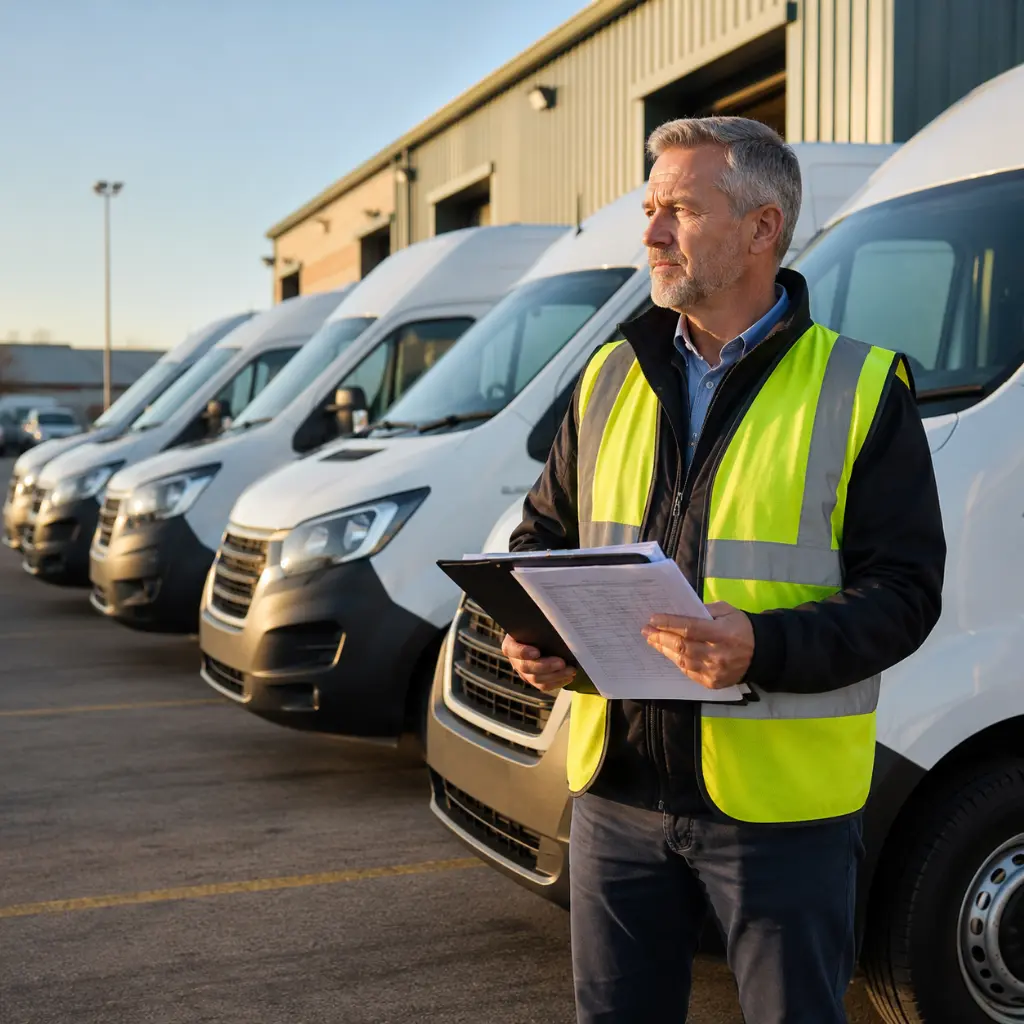
Most businesses approach this decision the wrong way round. They compare two vehicles on paper first, then try to make their working week fit whichever one looks stronger.
In practice, the electric van vs diesel question is answered by how the van is actually used, not by the specification sheet.
From our Doncaster van centre, we help businesses across South Yorkshire choose vans suited to their day-to-day work. Here are the practical factors to consider when deciding whether an electric or diesel van is right for your business.
At a Glance
This guide compares real-world range, charging, payload, towing and Clean Air Zone requirements. It also offers a practical way to test both options before committing to either.
Electric van or diesel van: start with your working week
Before looking at any model, write down what the van does in a normal week. Not what it might do one day.
Three answers do most of the work:
- Your typical daily mileage, and your longest day in a normal month
- Whether your routes are predictable, or change with every job
- Where the van is parked overnight, and whether that location has power
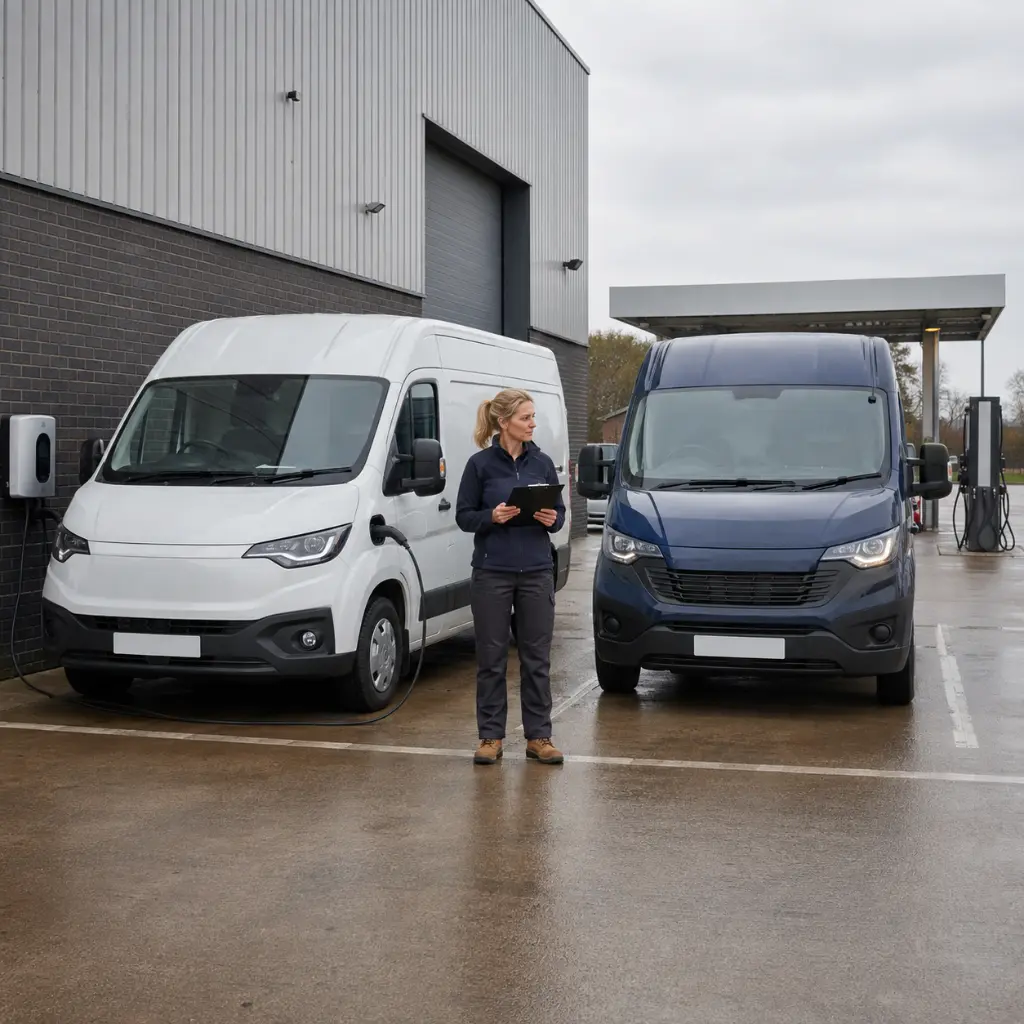
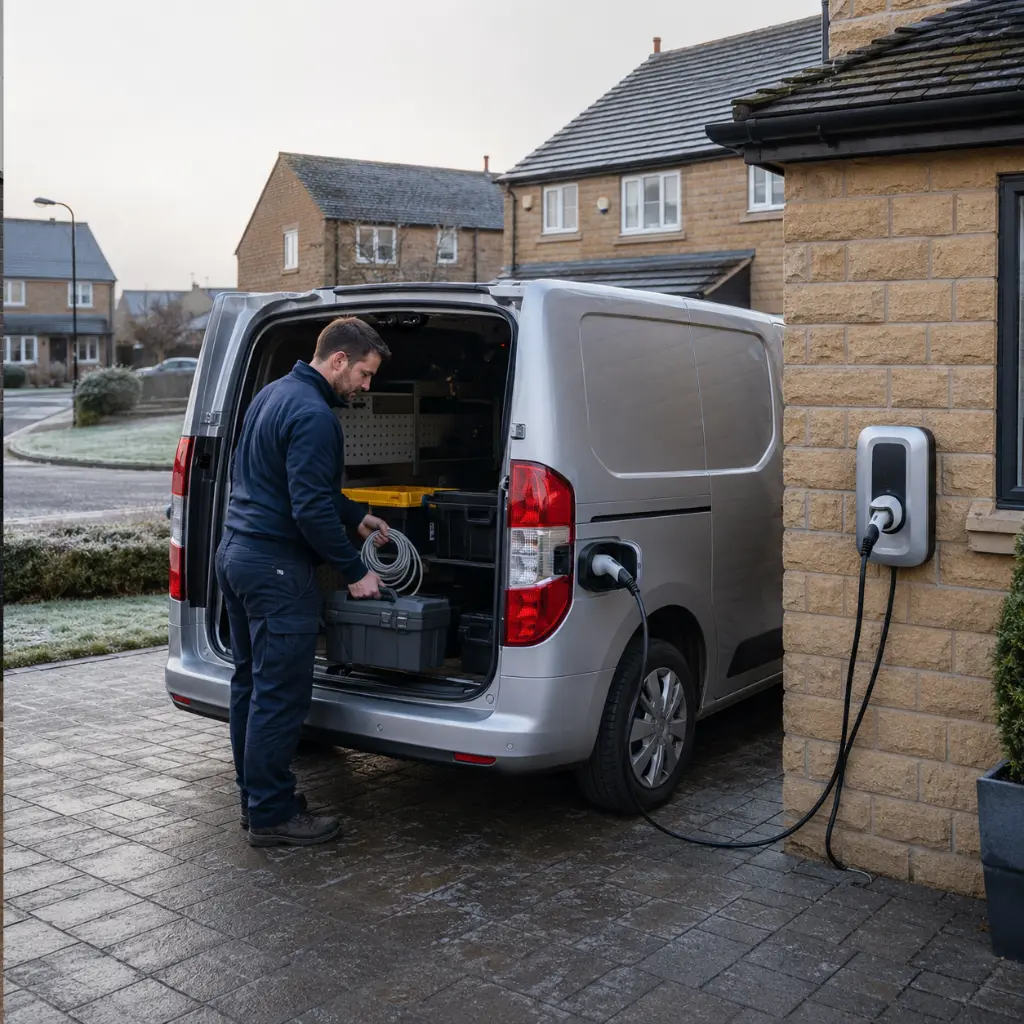
That last point decides more of these cases than anything else. A van that sleeps at a depot or on a driveway is a very different proposition to one parked on a street.
Electric van benefits worth taking seriously
The environmental case is the one that gets quoted, but the day-to-day gains are often what convince drivers.
- Instant torque, which suits stop-start town driving and loaded pull-away
- A quiet cab, which makes early starts in residential streets far less disruptive
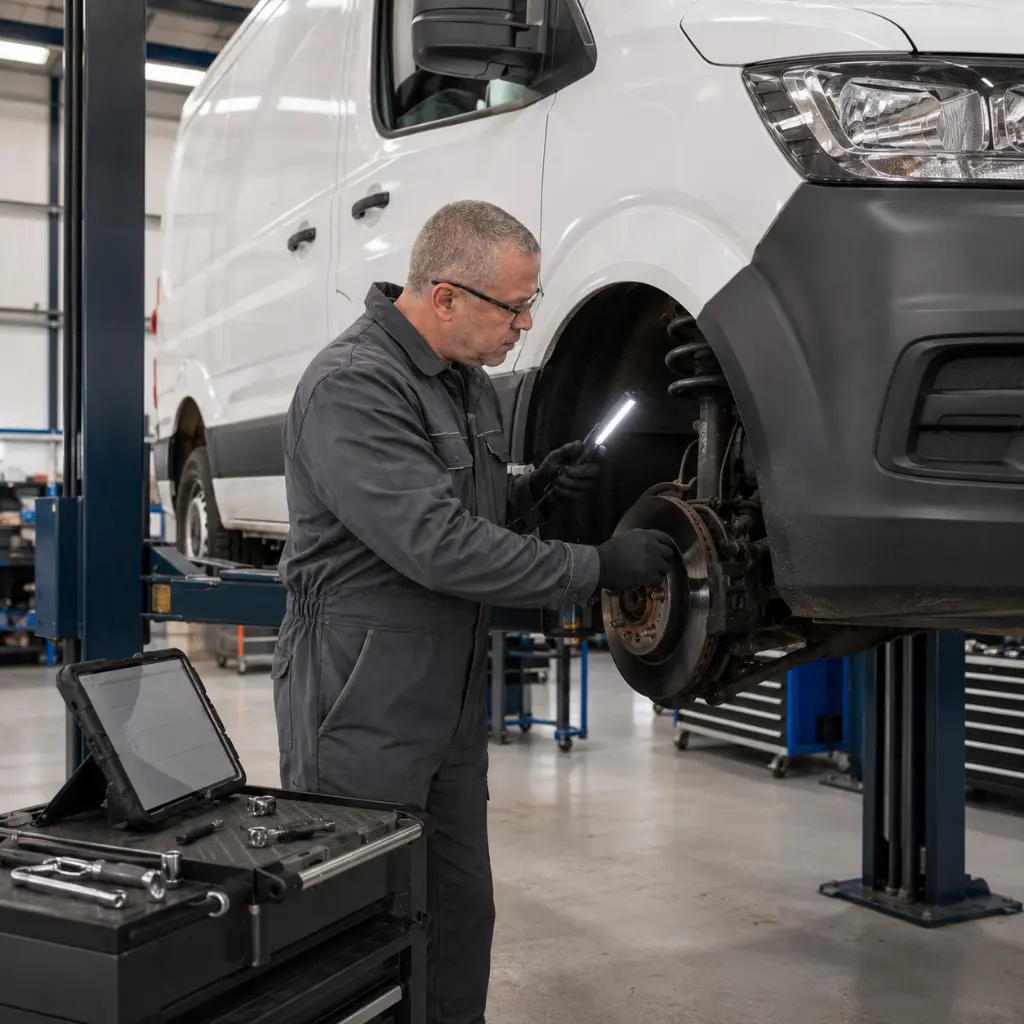
- No diesel particulate filter, EGR system or engine oil to maintain, although tyres, brakes, suspension and electrical systems still require routine attention
- No diesel stored in the tank, reducing the risk of fuel theft, while depot or home charging can simplify day-to-day energy management
- Zero tailpipe emissions, which carries weight when you tender for contracts with environmental criteria
Diesel van benefits that still hold up
Diesel is not the compromise option it is sometimes painted as. For a lot of working vans it remains the sensible choice.
- Refuelling takes minutes, anywhere, with no planning required
- Long motorway and rural runs generally require less range planning, particularly during colder weather
- Diesel vans generally retain a practical range advantage when carrying heavy loads over long distances.
- Diesel servicing expertise, replacement parts and used vehicle stock remain widely available, which can make maintenance and replacement planning easier
- The widest choice of body types and conversions, from tippers to Luton bodies
What real-world range actually looks like
Quoted range figures are laboratory numbers. Expect the real figure to sit some way below, and to drop further at sustained motorway speeds.
We tend to suggest working to a comfortable margin under the quoted range, then checking your longest realistic day against that. If the longest day fits, the average days look after themselves.
The difficulty usually arises when the working day depends on public rapid charging mid-shift. Queues, unavailable chargers and charging faults can disrupt a schedule with little room for delay.
Payload, towing and heavy work
Battery packs are heavy, and on some models their weight can reduce the amount you can carry. Always check the payload figure for the exact specification you are considering, rather than relying on figures for the wider model range. Any shelving, drawers or van racking fitted inside the vehicle will reduce its available payload, so include their weight when calculating how much equipment or material the van can safely carry.
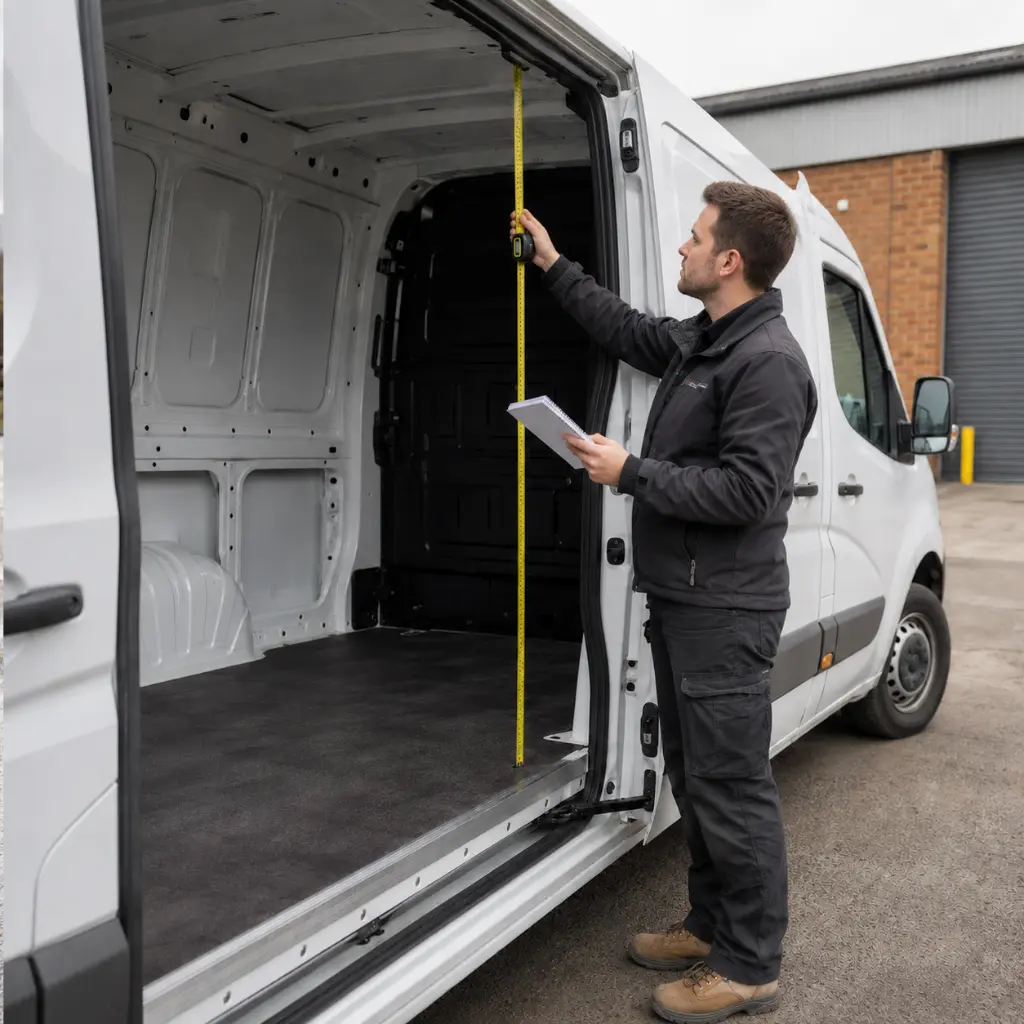
Load space matters just as much as weight. If you carry long or bulky items rather than dense ones, the deciding factor is likely to be internal length, so it is worth looking at the load dimensions of a long wheelbase Boxer and comparing them against what you actually carry.
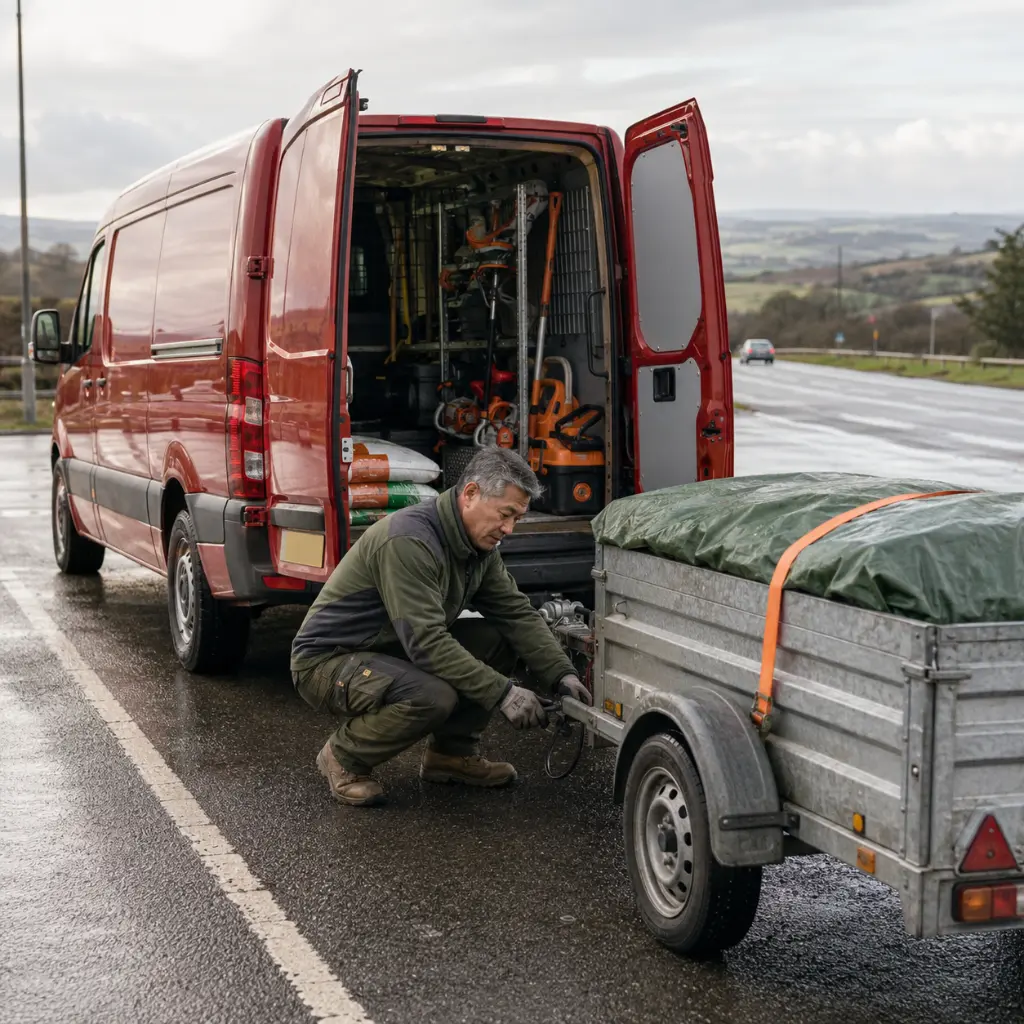
Towing is the clearest dividing line. Many electric vans have a limited towing rating or none at all, and pulling a trailer reduces range considerably.
Clean Air Zones and emissions requirements
Fully electric vans meet current Clean Air Zone and London ULEZ emissions standards. Euro 6 diesel vans also meet the minimum emissions standard for vans in England’s existing Clean Air Zones and the London ULEZ. Charges, exemptions and zone boundaries can differ, so check the vehicle registration against the official checker for every area in which your business operates.
A practical way to test the decision before you commit
The businesses who get this right gather evidence first. Log every journey for a month before you shortlist anything.
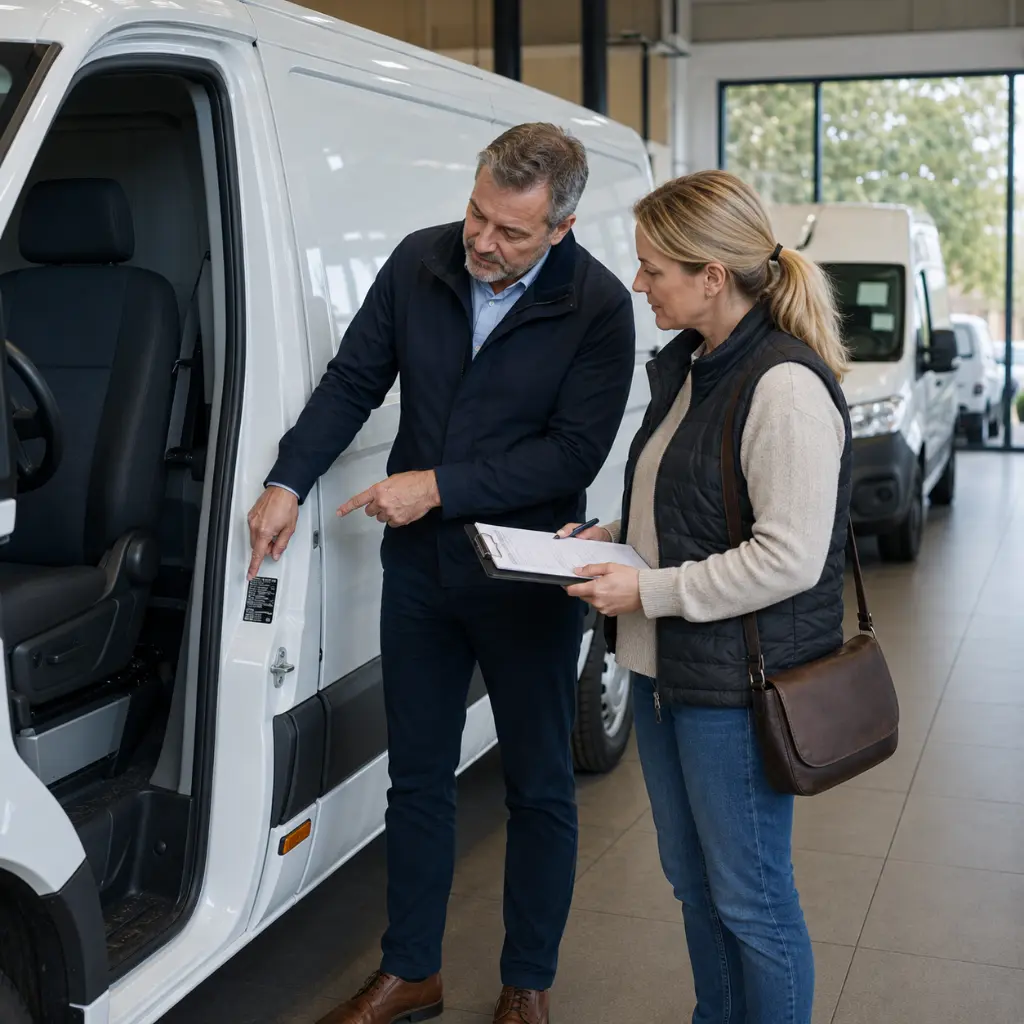
It is also worth separating the fuel question from the size question, as the wrong size can make the van unsuitable for everyday work. Hiring for a few weeks is a low-commitment way to test a size and body type in real conditions, and our team can talk you through the vans available across our Doncaster fleet.
If the vehicle will be needed for the longer term, explore our business contract hire options. You can also view the used vehicles we currently have for sale and speak to our team about which size and body style suits your work.
Conclusion
There is no single right answer, and anyone offering one is not looking closely enough at your work. Short, predictable routes with reliable overnight charging often point towards electric. Long, varied journeys, frequent towing or consistently heavy work may still point towards diesel.
Most operators land somewhere sensible once they stop comparing brochures and start comparing their own mileage logs.
If you would like to talk it through with people who deal with working vans every day, get in touch with our Doncaster team. Tell us what you carry and how far you normally travel, and we will give you a straightforward view of what suits the job.